Asa Lake (d. 1843) lived in Vermont during the Revolutionary War, migrated to Ohio around 1800, first in southeastern Ohio in Jackson County, before traveling to Hancock County in northwestern Ohio, where he died.
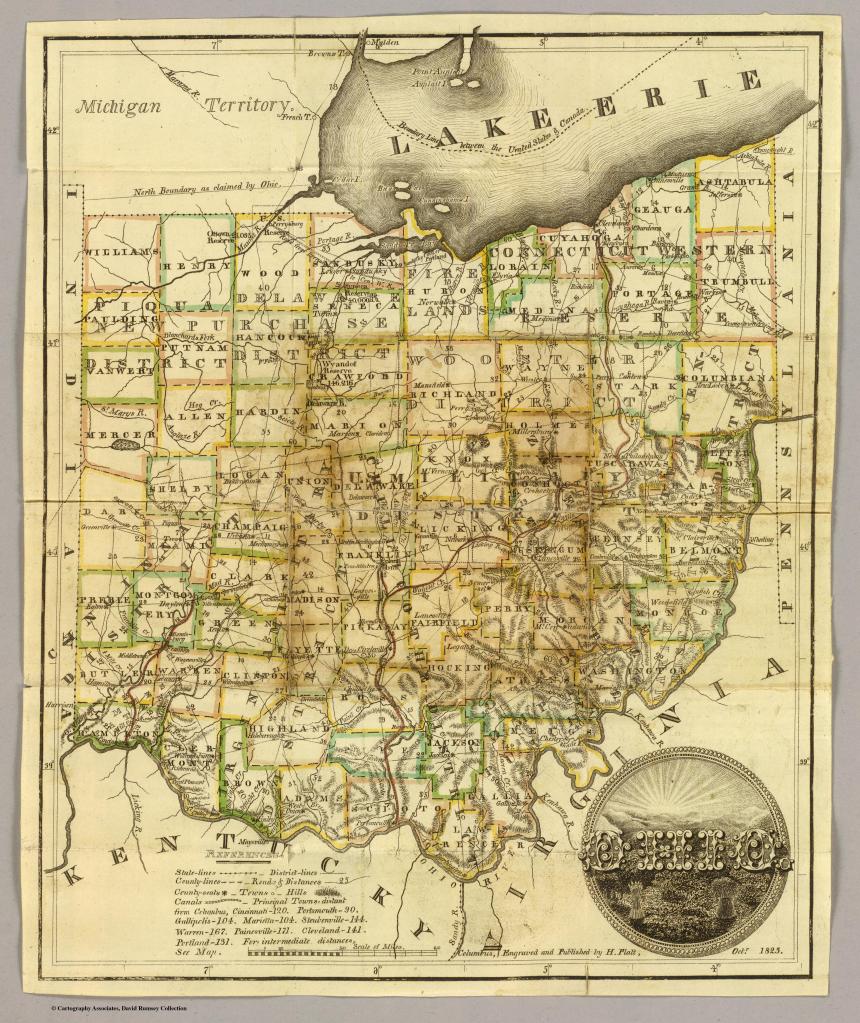
In the History of Hancock County, Asa Lake was recorded as the first settler in Delaware Township, purchasing land in Section 1 in 1821, and recorded as laying out 53 lots for Mt. Blanchard in the late 1830s.

Family Legend
The grandson of Asa Lake, Judge J. A. L. Crookham, paid for the inclusion of his biography in the Portrait and Biographical History of Mahaska County, Iowa. In the biographical sketch of Crookham, it included these sentences about his maternal grandfather:
The maternal grandfather was taken prisoner at the Battle of Long Island , when seventeen years of age, and was given to the Indians by the English, and carried to the Western Reserve, in Western Ohio. He was liked and adopted by the chief, and was sent out hunting, and escaped after about a year’s captivity, footing it back. In 1820, forty years later, he took a claim where the Indian wigwam was, and the spring out of which he formally drank was on this claim. He died on it in 1843.
Western Reserve of Ohio
The Western Reserve of Ohio was territory in northeast Ohio that had been claimed by Connecticut prior to the Revolutionary War. While other land in Ohio had been claimed by Connecticut, it relinquished claims to those lands to the US government, reserving the lands of the Western Reserve for itself. This land was divided into two parts. The western third was called Fire Lands, as it was given to Patriots whose homes had been burned during the Revolutionary War. The eastern two-thirds was sold to land speculators.
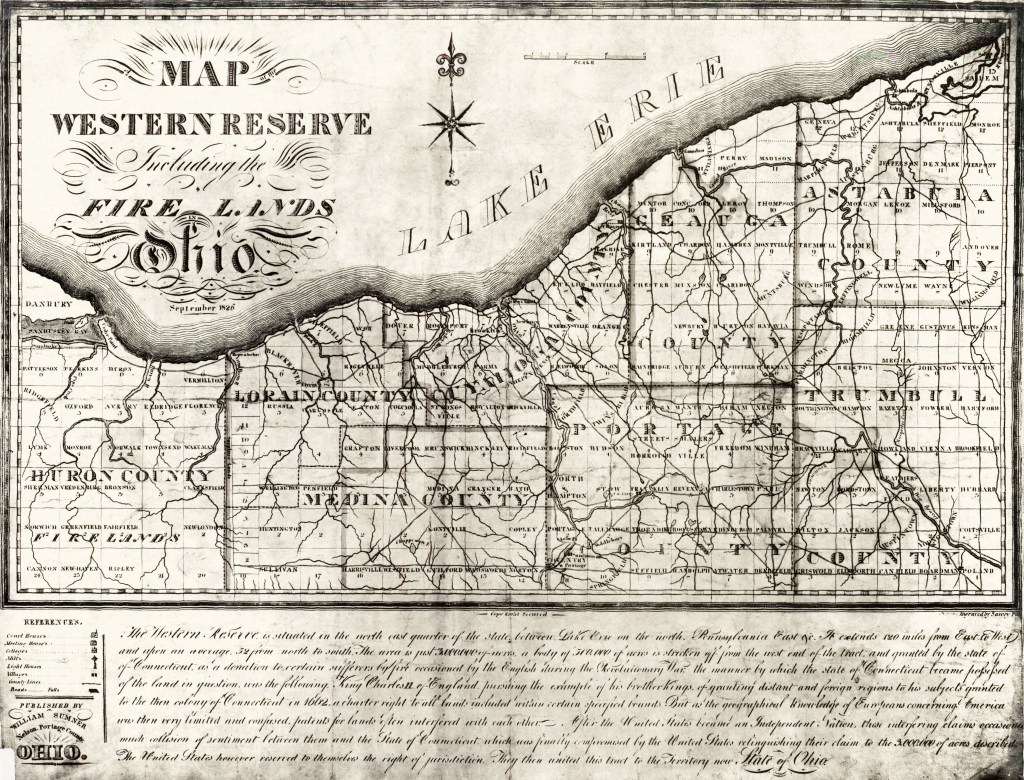
Hancock County, where the Lake family settled, is not part of the Western Reserve of Ohio. It is, however, in the territory immediately west of the Fire Lands, in land also claimed by Connecticut prior to the war.
Delaware Purchase

On the 1826 map of Ohio, the mapmaker marked the quartet of counties, including Hancock County, the Delaware Purchase. The Lenape, known to Euro-Americans as the Delaware Indians, lived here, having been pushed here by previous Euro-American settlements and colonies farther east. Prior to European colonization, they had lived on the land in what became the state of New Jersey. Here in Ohio, they struggled with the Iroquois, and as the Europeans and Euro-Americans struggled for power, they formed alliances with the British and the French, trying to stop further Euro-American encroachment on their lands. Treaties in the early 1800s forced the Lenape out of Ohio and into what would become Kansas and Oklahoma.
The Lake Family arrived in the Delaware territory while the US government was creating treaties with the Lanape tribes and forcing them west. The township they lived in was named for the Indigenous people from whom they stole the land.
 Finding the Yellow Bricks